
THE UNSOLVED DANGER
of TAVR Debris
Stroke remains a persisent risk with no proven solution.
Every TAVR procedure releases a shower of debris into a patient’s bloodstream.1
Interventional heart procedures such as transcatheter aortic valve replacement (TAVR) have revolutionized cardiology, providing lower-risk alternatives to open-heart surgery. However, these procedures are performed on a beating heart and cause a shower of embolic debris to be released into the bloodstream.
Embolic debris flows to the brain, kidneys, abdominal organs and lower extremities where it can obstruct blood flow and cause ischemic damage. If these emboli flow to the brain, they can cause permanent brain injury , resulting in stroke and contributing to cognitive decline. While the reported rates seem low, these complications are devastating to the patient and their family, and contribute to increased healthcare costs. Without addressing this risk, there remains a tradeoff between remedying a diseased heart valve, and suffering acute stroke, increasing risk of future cerebrovascular events, and accelerated cognitive decline and dementia.
The Emboliner® Full-Body Embolic Protection Catheter is the only embolic protection device designed to provide complete protection of the brain and other critical organs by capturing and removing emboli produced during transcatheter heart procedures.
Complete protection of the brain and body should not be optional.

Complete protection of the brain and body should not be optional.
Stroke rates from TAVR have been studied thoroughly over the past two decades, as the procedure technique and valve systems have matured. These rates have decreased over time but have remained alarmingly high for patients. Over 85% of all TAVR patients suffer acute brain lesions from embolic debris, some of which can result in a stroke. The solution to reducing this risk is to capture and remove damaging debris from the patient.
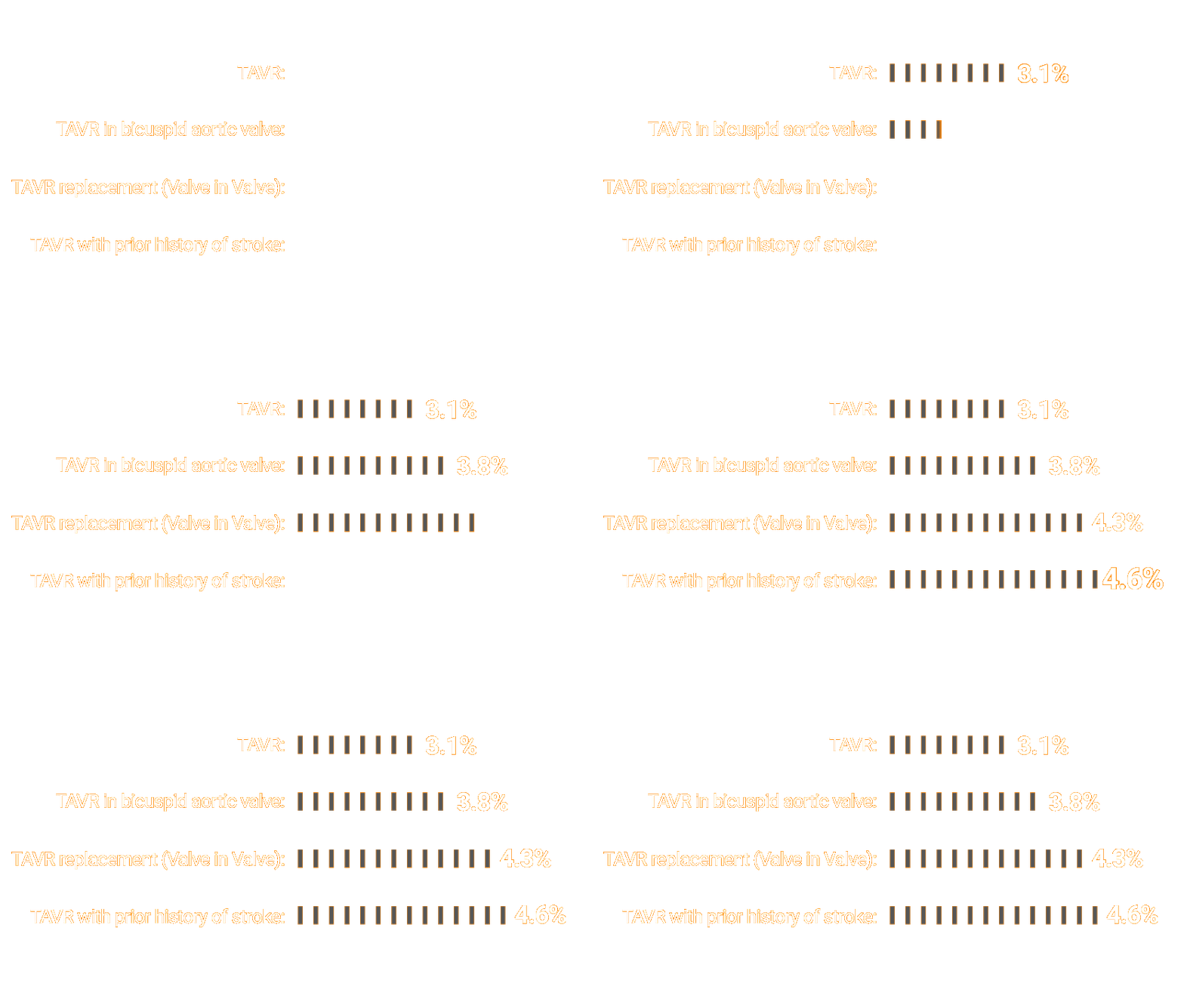
Some TAVR procedures and patient scenarios have close to a 5% stroke risk
Not all TAVR procedures are the same. Subgroups of primary TAVR patients have a higher stroke risk. In addition, TAVR valves have a finite lifespan, requiring replacement in a valve-in-valve procedure that has been shown to have a higher stroke risk compared to primary TAVR. Emboliner is there to address these shifts in stroke and ischemic damage risks as the interventional cardiology community develops new procedures to advance treatment of heart disease.
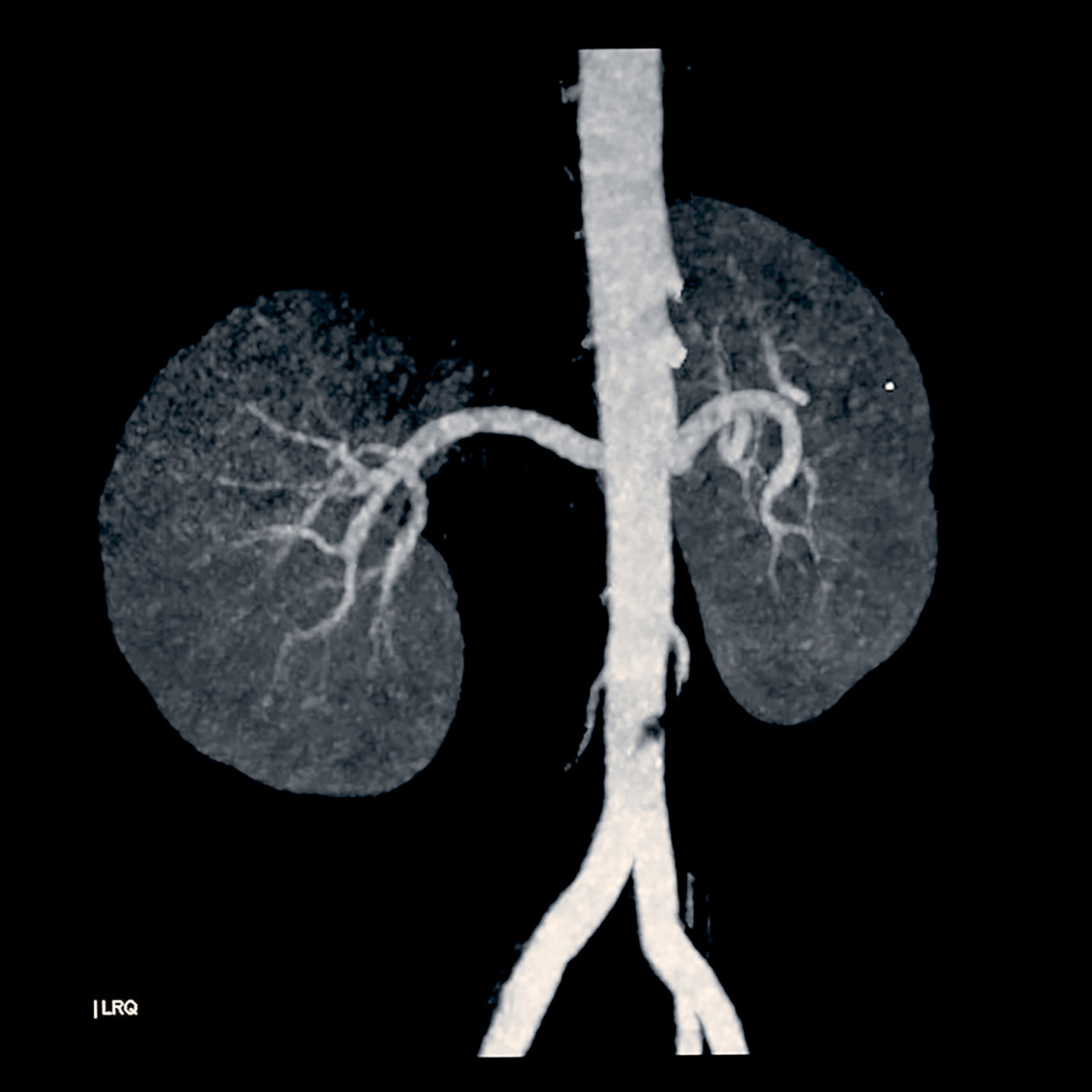
Kidney injury has also been associated with transcatheter procedures
Debris that does not flow to the brain can flow to the kidneys, causing kidney injury. Rates of acute kidney injury (AKI) after TAVR have been reported from 11% to 33%. The Emboliner filter provides full-body protection by capturing and removing debris that could otherwise flow to the kidneys.
Other interventional procedures with high embolic risk:
Other interventional procedures may have even higher embolic risk, although there is less clinical data quantifying the risk.
- Mechanical or electrosurgical cutting of valve leaflets such as BASILICA.
- Mitral valve replacement (TMVR).
- Mitral valve edge-to-edge repair (TEER)
- Vegetation and thrombus removal
- Myxoma (tumor) removal
- Left atrial appendage occlusion
References:
- 1 https://onlinelibrary.wiley.com/doi/epdf/10.1111/joic.12526
- 2 Huded et al. JAMA 2019; 321: 2306–2315.
- 3 Butala NM, et al. Circ Cardiovasc Interv. 2024 Sep;17(9):e013697.
- 4 Shekhar, et. al., Am J Cardiol 2024;216:110−111.
- 5 Zhang, et. al., J Am Heart Assoc. 2023;12:e028890.